Practical Steps to Plan, Install, and Maintain a Reliable HVAC System
Homeowners often start by scoping their comfort goals and energy priorities before choosing any HVAC path. Think about room-by-room needs, hot and cold spots, and whether future remodels might change loads. A simple heat gain and loss assessment, documented by a professional, helps right-size equipment and avoid waste. Too large short-cycles and too small struggles, so validating capacity early reduces noise, wear, and uneven temperatures down the line.
Next, evaluate the home’s distribution pathways. Existing ducts should be inspected for leaks, kinks, and insulation gaps, since poor delivery undermines even premium systems. In practice, sealing and balancing can reclaim lost performance without replacing everything. Where ducts are impractical, a ductless mini split can be staged room by room, aligning capacity with actual use. Zoning strategies boost comfort while moderating runtime, especially in homes with variable occupancy.
Budgeting benefits from phasing the project into clear steps: load calculation, equipment selection, and installation details. This allows owners to verify each decision with transparent trade-offs. For example, selecting between Air Conditioning Installation and Repair or a broader upgrade might depend on age, refrigerant type, and repair history. Meanwhile, including a maintenance plan in the initial scope buffers surprises and extends the service life of major components.
When comparing equipment, look beyond headline efficiency and assess noise ratings, turn-down ratios, and control compatibility. Variable-speed blowers can refine comfort by smoothing airflow and humidity control. Beyond that, filter sizes and return placement matter for Indoor Air Quality and quiet operation. Proper filtration paired with scheduled filter changes prevents pressure drops that strain motors and erode efficiency over time.
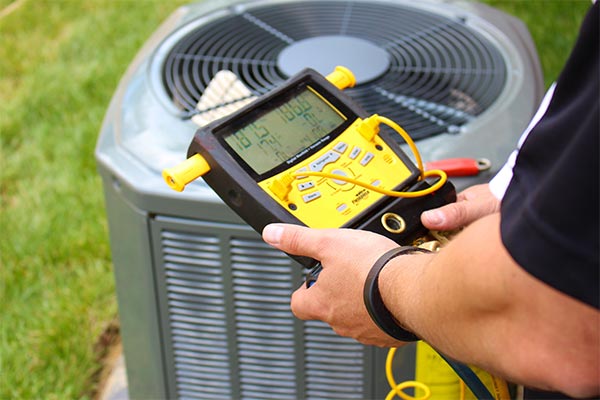
Installation quality determines more than brand choice. Verifying line set sizing, refrigerant charge, and airflow targets is crucial. Technicians should document static pressure, temperature splits, and refrigerant subcooling or superheat to confirm performance. Then, thermostat setup, including cycle rates and humidity settings, should be calibrated for the home’s envelope. A good handoff includes owner training on filter access, drain checks, and basic alarm codes.
For heating needs, weigh options across furnaces, heat pumps, or dual-fuel combinations. Heat Pumps Installation can be advantageous in moderate climates and during shoulder seasons, where efficient electric heating offsets fuel use. However, validating cold-weather performance and defrost strategies keeps expectations realistic. If a furnace is retained, ensuring proper venting, gas pressure, and combustion air is essential for both safety and reliable winter performance.
Maintenance planning is the backbone of longevity. AC Maintenance should include coil cleaning, drain verification, and electrical inspections at regular intervals. Often, catching a weak capacitor, a dirty blower wheel, or a clogged trap early prevents costly breakdowns. Document each visit’s readings to trend performance over time; rising static pressure or declining temperature split can signal duct or coil issues before comfort suffers.
Homes without existing ducts can still achieve even comfort with ductless options. These systems allow room-level control and can be expanded over time as budgets allow. However, installers must validate wall, line set, and condensate routing to avoid nuisance issues. Proper mounting heights, outdoor clearances, and snow or debris protection minimize rework. Sequence indoor unit placements to match actual daily patterns rather than theoretical averages.
During replacement decisions, a second opinion can clarify whether repair or upgrade provides better lifecycle value. Inspect heat exchangers, compressor health, and control boards, and compare expected remaining life to upgrade benefits. Align choices with rebate windows and utility program requirements without overextending scope. Finally, confirm that warranties are registered and that owners have a simple checklist for seasonal start-up and shutdown routines.
After the system is running smoothly, refine comfort with small adjustments. Adjust diffuser directions, validate door undercuts for return pathways, and set schedules that mirror routines. Humidity targets may need seasonal tweaks, and filter MERV ratings should balance cleanliness with airflow. By sequencing these fine-tuning steps and maintaining clear documentation, homeowners preserve efficiency, reduce noise, and keep indoor spaces consistently comfortable year-round.